
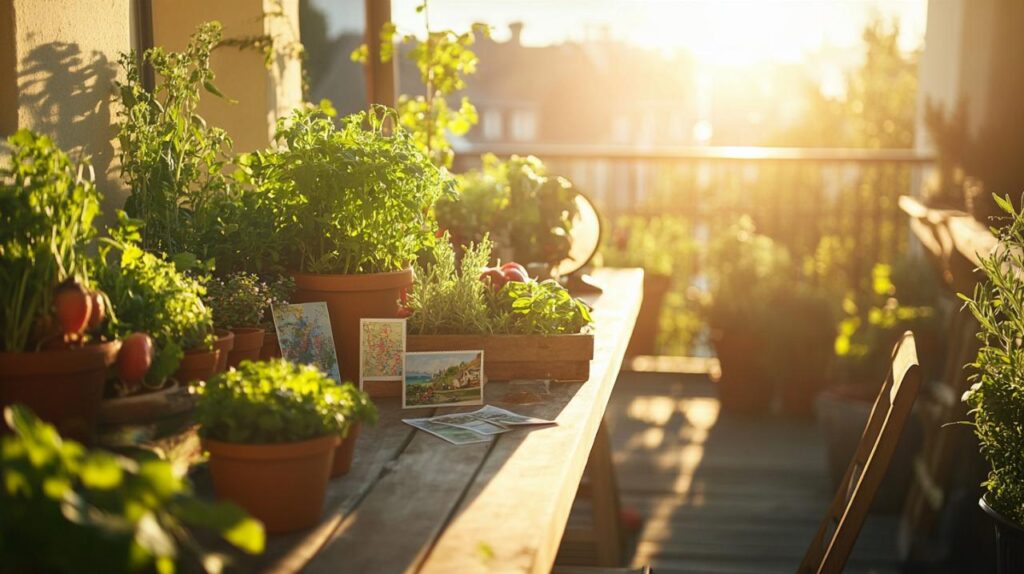
Imagine stepping out onto your terrace each morning, greeted not only by the fresh air but by a vibrant tapestry of herbs, vegetables, and edible flowers that whisk you away to distant lands you’ve explored or dream of visiting. A culinary garden on your terrace offers more than just homegrown produce; it becomes a living souvenir, a way to revisit cherished holiday memories and inspire your next adventure. This delightful fusion of urban gardening and wanderlust transforms a modest outdoor space into a source of sustainable food, creative cooking, and endless inspiration. Whether you’re recalling sun-drenched meals along the Mediterranean coast or fragrant street markets in Southeast Asia, cultivating your own edible haven brings those experiences home, one harvest at a time.
Crafting your terrace garden: essential steps for beginners
Embarking on the journey of creating a balcony garden might seem daunting at first, especially if you’re accustomed to sprawling plots of land rather than compact urban spaces. However, the beauty of container gardening lies in its adaptability and accessibility. The first step is to assess your terrace conditions, considering factors such as sunlight exposure, wind patterns, and available space. Most edible plants require at least six hours of direct sunlight daily, so observe your terrace throughout the day to identify the sunniest spots. Once you’ve mapped out your growing zones, you can begin planning which crops will thrive and where to position them for optimal growth. Urban gardening has become increasingly popular, with many city dwellers discovering the joys of self-sufficiency and sustainable food production right outside their doors. The process encourages a deeper connection to the seasons, the soil, and the food that nourishes us, making each meal a celebration of patience and care.
Selecting the Right Containers and Growing Systems for Limited Spaces
Choosing appropriate containers is fundamental to your terrace garden’s success. Fabric pots have emerged as a favourite among urban gardeners due to their breathability, which promotes healthier root systems by preventing them from becoming waterlogged or root-bound. These pots are also lightweight and portable, allowing you to rearrange your garden layout as needed to follow the sun or shield tender plants from harsh winds. Larger planters, while requiring more soil and water, offer greater stability and can accommodate companion planting, where different species support each other’s growth and deter pests naturally. Vertical gardening is another ingenious solution for maximising limited space. By training climbing plants such as green beans, tomatoes, and cucumbers to grow upwards along railings or trellises, you free up valuable floor space while creating a lush, green curtain that adds privacy and beauty to your terrace. This approach not only increases your yield but also makes harvesting easier and more enjoyable, as the fruit hangs at eye level rather than sprawling across the ground.
Choosing Herbs and Vegetables That Thrive in Terrace Conditions
Selecting the right plants is crucial for a productive and rewarding balcony garden. Certain crops are particularly well-suited to container cultivation and terrace environments. Tomatoes, for instance, are a perennial favourite, offering a bounty of flavour in exchange for regular watering and staking. Aubergines, with their glossy purple skin and rich taste, also adapt well to pots, especially when paired with companion plants such as marigolds, which help repel aphids and other pests. Green beans are an excellent choice for vertical growing, as they climb vigorously and produce abundantly throughout the summer months. Herbs such as rosemary, mint, chives, parsley, and basil are indispensable in any culinary garden, providing fresh flavour for countless dishes while requiring minimal space and care. Leafy greens like kale are remarkably hardy and can be harvested continuously by picking outer leaves, allowing the plant to regenerate and provide fresh salads for weeks on end. For those with a sweet tooth, raspberries and blueberries offer delicious fruit in compact, container-friendly forms, while lemons can thrive on a sunny terrace in milder climates, adding a touch of Mediterranean charm. Encouraging pollinators is equally important, as bees and other beneficial insects ensure your plants are well-pollinated and productive. Lavender, with its fragrant purple blooms, is a magnet for bees, as are cheerful flowers such as cosmos, cornflower, and marigolds, which not only support pollinator populations but also add vibrant colour and visual interest to your terrace garden.
Drawing Inspiration from Global Cuisine: Cultivating Flavours from Your Travels
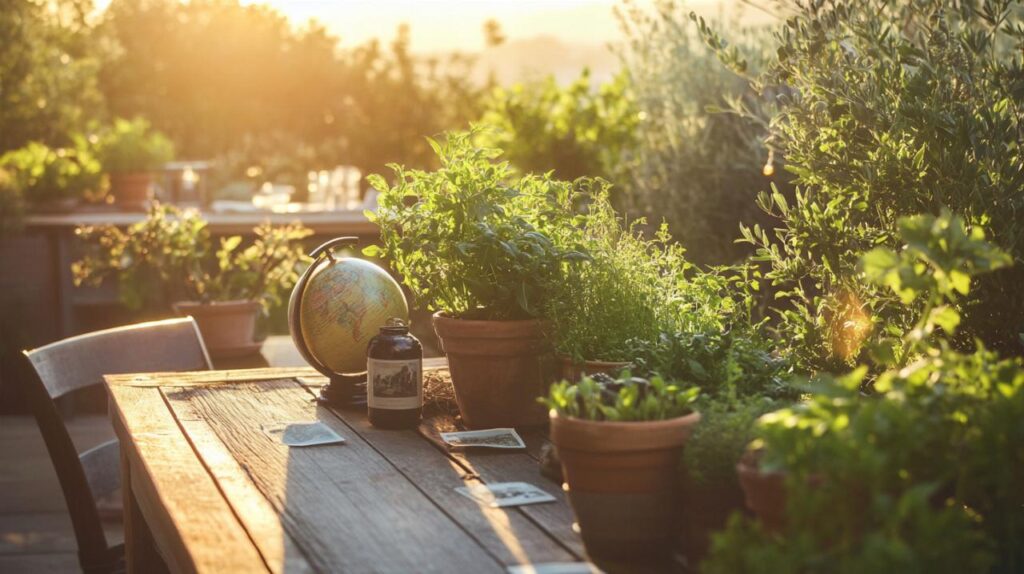
One of the most delightful aspects of a terrace garden is its ability to evoke memories of far-flung destinations and inspire future journeys. By cultivating plants that feature prominently in the cuisines of regions you’ve visited or hope to explore, you can savour the tastes and aromas of those places every day. This practice transforms your terrace into a living atlas, where each plant tells a story of a meal shared, a market explored, or a landscape admired. Such a garden not only enriches your culinary repertoire but also serves as a reminder of the beauty and diversity of the world, encouraging you to explore new travel destinations and embrace the cultures they represent. Whether you’re drawn to the sun-drenched flavours of the Mediterranean or the fragrant complexity of Asian greens, your terrace garden becomes a passport to global gastronomy, all without leaving home.
Mediterranean Herbs and Vegetables to Bring Holiday Memories Home
The Mediterranean region, with its sun-soaked landscapes and rich culinary traditions, offers a treasure trove of herbs and vegetables that flourish on terraces. Basil, the cornerstone of Italian pesto and Greek salads, thrives in warm, sunny conditions and pairs beautifully with tomatoes, both in the garden and on the plate. Rosemary, with its woody stems and aromatic needles, evokes memories of coastal hillsides and roasted meats, while oregano and thyme add depth and authenticity to dishes ranging from pizza to grilled fish. Aubergines, or eggplants, are a staple of Mediterranean cooking, featuring in classics such as ratatouille, moussaka, and baba ganoush. Growing these glossy purple beauties on your terrace allows you to recreate holiday meals with ingredients harvested just steps from your kitchen. Tomatoes, in all their glorious varieties, are perhaps the most iconic Mediterranean crop, and their sweet, sun-ripened flavour is incomparable when grown at home. By enriching your soil with compost, perhaps using a Bokashi bin to recycle kitchen scraps, and supplementing with seaweed fertiliser, you can ensure your plants receive the nutrients they need to thrive. Companion planting, such as pairing tomatoes and basil or aubergines and marigolds, not only maximises space but also enhances flavour and deters pests, creating a harmonious and productive garden ecosystem.
Asian Greens and Aromatic Plants for Authentic Eastern Dishes
The vibrant flavours and textures of Asian cuisine can also find a home on your terrace, bringing the bustling energy of Eastern markets and street food stalls to your doorstep. Leafy greens such as bok choy, mustard greens, and mizuna are fast-growing, cold-tolerant, and perfect for container cultivation, offering fresh, crisp leaves for stir-fries, soups, and salads. Herbs such as coriander, Thai basil, and lemongrass are essential for authentic Asian cooking, infusing dishes with the complex, aromatic profiles that define the region’s culinary traditions. Lemongrass, with its tall, grassy stalks and citrusy fragrance, thrives in warm conditions and can be grown in a large pot, providing fresh stems for curries, teas, and marinades. Chillies, in all their fiery diversity, are another must-have for enthusiasts of spicy cuisine, and many varieties are well-suited to terrace gardening, producing abundant fruit in compact spaces. Starting seeds early indoors gives your plants a head start, ensuring a longer growing season and a more generous harvest. Regular picking encourages continuous fruit production, so don’t hesitate to use your crops liberally in your cooking. By incorporating these aromatic plants and greens into your terrace garden, you not only gain access to fresh, authentic ingredients but also cultivate a deeper appreciation for the culinary artistry and traditions of Asia, enriching your meals and your understanding of the world’s diverse food cultures.