
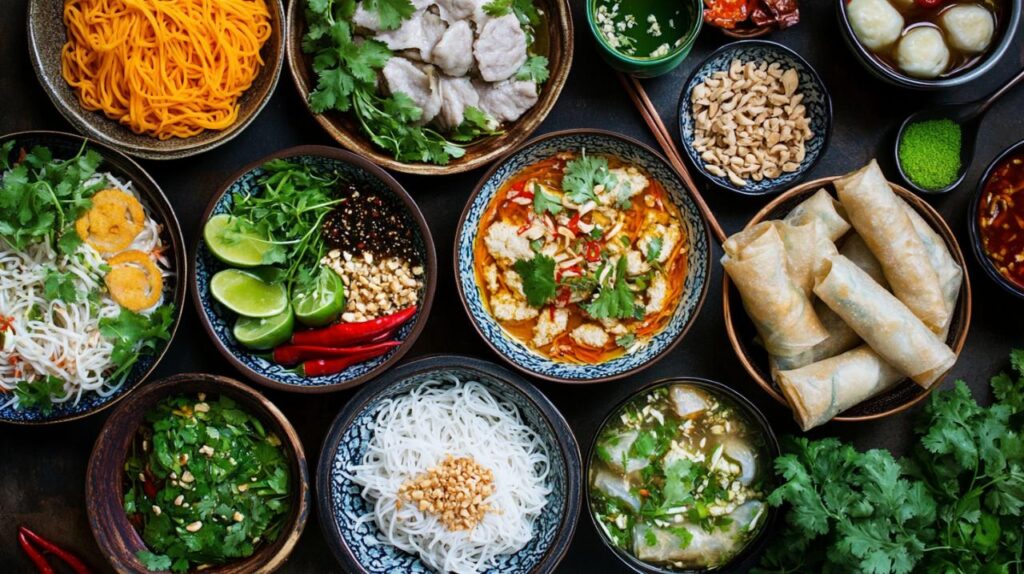
Vietnam's culinary landscape offers an extraordinary journey for the senses, blending fragrant herbs, vibrant spices, and fresh ingredients into dishes that reflect centuries of tradition and regional diversity. From the bustling street stalls of Hanoi to the elegant restaurants of Ho Chi Minh City, every meal tells a story of culture, history, and passion. Whether you're drawn to the comforting warmth of a steaming bowl of noodle soup or the crisp bite of a freshly assembled sandwich, exploring Vietnamese cuisine is an adventure that promises to delight and surprise at every turn.
Northern vietnam's culinary treasures: from street food to fine dining
Pho: hanoi's iconic aromatic noodle soup
When it comes to Vietnamese cuisine, few dishes capture the essence of the country quite like pho. This aromatic noodle soup, traditionally enjoyed for breakfast, has become a global ambassador for Vietnamese cooking. The dish features delicate rice noodles submerged in a fragrant broth that has been simmered for hours with beef or chicken bones, star anise, cinnamon, and other warming spices. The result is a deeply satisfying bowl that balances richness with lightness, complemented by fresh herbs, lime wedges, and chilli slices added at the table. Hanoi-style pho tends to be more refined and restrained compared to its southern counterpart, with a clearer broth and fewer garnishes, allowing the pure flavours of the stock to shine through. For those seeking an elevated experience, several upscale establishments in the capital now serve pho in elegant surroundings, transforming this humble street food into a luxurious dining experience without losing its authentic character.
Bun Cha: Grilled Pork and Noodles, a Northern Delicacy
Another northern speciality that has captured international attention is bun cha, particularly after a famous meal shared by President Obama and celebrity chef Anthony Bourdain at Bun Cha Huong Lien in Hanoi. This dish showcases the Vietnamese mastery of balancing flavours and textures, combining smoky grilled pork patties and pork belly slices with cool rice noodles, fresh herbs, and a tangy dipping sauce known as nuoc cham. The pork is chargrilled over hot coals, developing a caramelised crust that contrasts beautifully with the tender interior. Diners assemble each mouthful themselves, creating a personalised blend of meat, noodles, herbs, and sauce that varies with every bite. The interplay between the warm grilled pork and the refreshing herbs and noodles makes this a particularly satisfying meal during the warmer months. While bun cha is readily available at street stalls throughout Hanoi, some contemporary Vietnamese restaurants now offer refined versions of this dish, presenting it with artistic flair whilst maintaining its essential rustic charm.
Southern and central vietnamese specialities: a journey through regional flavours
Banh mi: ho chi minh city's legendary baguette sandwich
The banh mi stands as a delicious testament to Vietnam's colonial history, transforming the French baguette into something uniquely Vietnamese. This iconic sandwich combines a crispy yet airy baguette with a variety of fillings that typically include pate, cold cuts, pickled vegetables, fresh coriander, cucumber, and chilli. The contrast between the crunchy bread and the soft, flavourful interior creates a textural symphony that has made banh mi beloved around the world. Saigon is particularly renowned for its banh mi, with countless vendors offering their own variations, from classic pork and pate to more adventurous options featuring grilled chicken, sardines, or even vegetarian fillings. The magic of a truly exceptional banh mi lies in the quality of the bread, which should be freshly baked with a delicate crust that shatters at first bite, and in the careful balance of savoury, sweet, sour, and spicy elements. For those who prefer a more comfortable setting, several cafes and restaurants in Ho Chi Minh City now serve elevated versions of this street food staple, often paired with Vietnamese coffee for a perfect meal at any time of day.
Cao lau: hoi an's unique noodle dish steeped in tradition
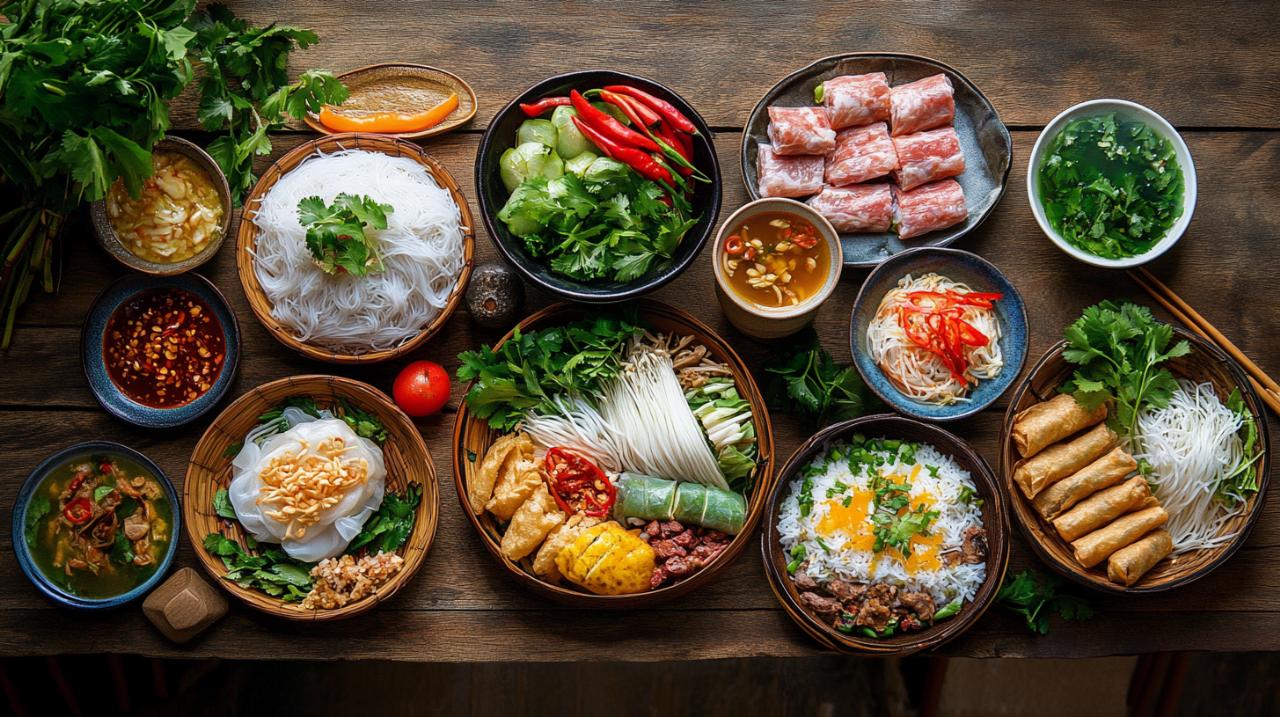
Travelling to the ancient town of Hoi An rewards visitors with the opportunity to taste cao lau, a noodle dish so unique to this central Vietnamese city that it cannot be authentically replicated elsewhere. The dish features thick, chewy noodles that are said to be made using water from a specific local well, giving them their distinctive texture and flavour. These noodles are topped with slices of roasted pork, crispy rice crackers, fresh greens, and herbs, all brought together with a small amount of rich, savoury broth. The origins of cao lau reflect Hoi An's history as a trading port, with influences from Chinese and Japanese culinary traditions evident in its preparation and presentation. Unlike other Vietnamese noodle soups, cao lau is not drowning in broth but rather features just enough liquid to moisten the ingredients whilst allowing the noodles to maintain their firm texture. The combination of soft and crunchy elements, along with the interplay of pork, herbs, and the subtle sweetness of the sauce, creates a complex flavour profile that exemplifies the sophistication of Hoi An's culinary heritage. Many traditional restaurants in the old town serve cao lau in charming settings that transport diners back in time, making the experience as memorable as the dish itself.
Sweet endings: authentic vietnamese desserts to complete your culinary adventure
Che: vietnam's beloved sweet pudding in many variations
After savouring the savoury delights of Vietnamese cuisine, the country's desserts offer a refreshing and often unexpected conclusion to a meal. Che, a category of liquid-based sweet puddings, represents one of the most popular ways Vietnamese people satisfy their sweet tooth. These desserts can be served warm or cold and typically feature a combination of ingredients such as beans, coconut milk, tapioca pearls, fruit, and sweetened condensed milk. The beauty of che lies in its endless variations, with each region and vendor offering their own interpretation. Some versions are relatively simple, featuring just a few key ingredients, whilst others are elaborate compositions with multiple layers of flavour and texture. Street vendors often display their various che options in glass containers, allowing customers to choose from a colourful array of options including mung bean che, black bean che, and fruit-based varieties. The refreshing nature of cold che makes it particularly popular during Vietnam's hot summer months, providing a cooling counterpoint to the country's often spicy cuisine. For those new to Vietnamese desserts, che offers an accessible introduction to the subtle sweetness and textural complexity that characterise the country's approach to sweet treats.
Banh Flan: Vietnamese Caramel Custard with a French Twist
Another dessert that beautifully illustrates Vietnam's ability to absorb and adapt foreign influences is banh flan, the local interpretation of French creme caramel. This silky custard, topped with a layer of golden caramel sauce, has become a staple of Vietnamese bakeries and cafes throughout the country. The Vietnamese version tends to be slightly sweeter and denser than its French counterpart, often incorporating condensed milk for added richness. Banh flan is typically served chilled, making it a popular choice after a hearty Vietnamese meal. Its smooth, creamy texture and gentle sweetness provide a soothing contrast to the bold flavours that characterise much of Vietnamese cuisine. Many Vietnamese restaurants now serve banh flan as a dessert option, and it has become so integrated into the local food culture that it is often enjoyed as an afternoon snack alongside Vietnamese coffee. The dish exemplifies how Vietnamese cooks have embraced elements from various culinary traditions whilst making them distinctly their own, creating something that feels both familiar and entirely unique to Vietnam's gastronomic landscape.