
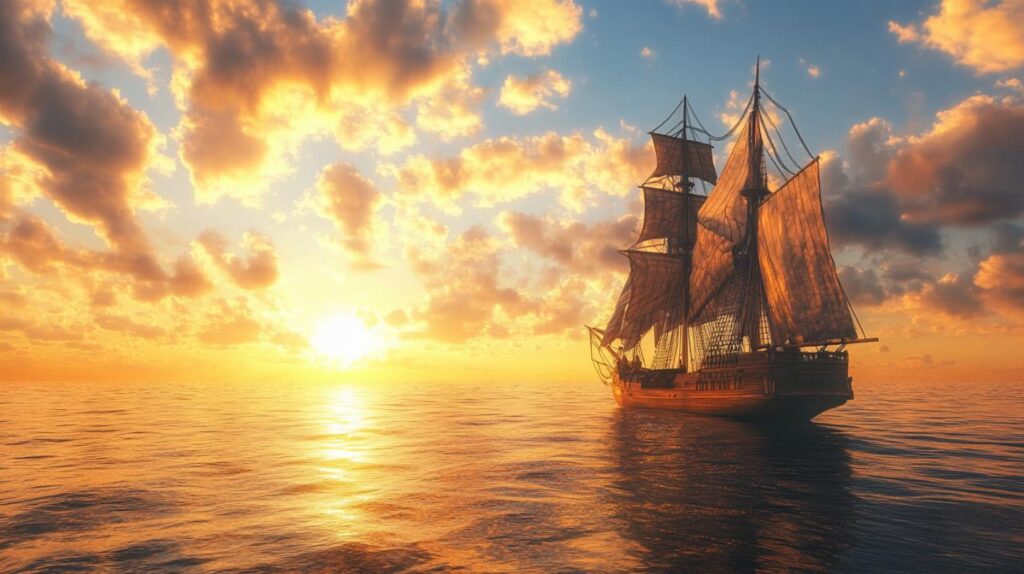
The allure of the open ocean has captivated humanity for centuries, drawing intrepid souls toward horizons that promise both peril and wonder. From the earliest explorers who braved unknown waters with little more than courage and rudimentary navigation tools to contemporary sailors who embrace modern technology while still facing nature's raw power, the sea remains a vast stage for human determination and discovery. These journeys, whether undertaken in solitude or as part of a crew, have shaped our understanding of the world and ourselves, offering lessons in resilience, humility, and the unyielding quest for freedom. The tales that emerge from these voyages inspire countless others to cast off their moorings and seek their own paths across the waves.
Legendary voyages that changed maritime history
Throughout the annals of seafaring, certain voyages stand out not merely for their distances travelled or records set, but for the profound impact they had on the collective imagination and the evolution of nautical exploration. These journeys often began with a simple dream or a bold challenge, yet they unfolded into epic narratives of survival, ingenuity, and the relentless pursuit of a goal despite overwhelming odds. The sailors who embarked on these quests became symbols of what is possible when determination meets opportunity, and their stories continue to resonate with anyone who has ever gazed out at the horizon and wondered what lies beyond. Whether driven by personal ambition, scientific curiosity, or the desire to prove a point, these mariners left an indelible mark on maritime history.
Solo circumnavigations and record-breaking journeys
Among the most remarkable feats in the realm of solo sailing is the extraordinary journey of Robin Lee Graham, who set sail at the tender age of sixteen aboard his sloop named Dove. Departing on the twenty-seventh of July in 1965, Graham embarked on a voyage that would span 1,739 days and cover approximately 30,600 nautical miles, a distance that speaks to the sheer scale of his ambition and endurance. His solo circumnavigation was not merely a test of seamanship but also a profound personal odyssey, one that exposed him to the raw beauty and unforgiving nature of the world's oceans. The challenges he faced were manifold, ranging from the destructive fury of hurricanes to the mechanical failures that left his vessel crippled at sea. One particularly harrowing episode occurred in the Indian Ocean when a violent storm caused his mast to fail, forcing him to rig a temporary solution and sail an astonishing 2,300 miles to Mauritius under makeshift conditions. This incident exemplified the resourcefulness and mental fortitude required to survive and continue when disaster strikes far from any shore.
Graham's voyage was punctuated by moments of sublime wonder as well as profound isolation. He dived in the crystalline waters of Fiji, explored the volcanic landscapes of the Galápagos Islands, and visited Kruger National Park in South Africa, experiences that enriched his understanding of the world and provided respite from the solitude that so often accompanies solo sailing. His journey was chronicled in a series of articles published in National Geographic between 1968 and 1970, which captivated readers with their vivid descriptions of life at sea and the inner transformations that occur when one is stripped of the distractions of modern life. In 1972, Graham expanded on these articles with his memoir titled Dove, a work that remains a touchstone for anyone interested in maritime adventure and the human spirit's capacity to endure. His story is a testament to the idea that age is no barrier to extraordinary achievement and that the ocean, for all its dangers, can be a powerful teacher and a source of profound inspiration. The legacy of his voyage continues to inspire new generations of sailors who dream of pushing their own boundaries and discovering what they are truly capable of achieving.
Famous explorers and their daring ocean crossings
The annals of seafaring are replete with tales of explorers who ventured into the unknown with little more than courage, skill, and an unshakeable belief in their mission. Joshua Slocum stands as one of the most iconic figures in maritime history, having completed the first solo circumnavigation of the globe in the late nineteenth century. His account, Sailing Alone Around the World, remains a classic of maritime literature, offering readers a glimpse into the mind of a sailor who navigated by the stars and relied on his wits to overcome the countless obstacles that the sea placed in his path. Slocum's journey was not merely a physical accomplishment but also a philosophical exploration of self-reliance and the relationship between man and nature. His ability to repair his vessel, adapt to changing conditions, and maintain his sanity during months of isolation set a standard for all who would follow in his wake.
Another legendary figure in the realm of ocean exploration is Steven Callahan, whose survival story after his vessel sank in the Atlantic Ocean is a testament to human resilience and ingenuity. Adrift for seventy-six days in a life raft, Callahan endured starvation, dehydration, and the constant threat of death, yet he managed to navigate using improvised tools and sheer willpower until he reached safety. His memoir, Adrift, is a gripping account of his ordeal and serves as a reminder that even in the direst circumstances, the human spirit can find a way to persevere. These explorers, along with countless others whose names may not be as widely known, have contributed to a rich tapestry of maritime adventure that continues to inspire those who seek to understand the limits of human endurance and the boundless possibilities that the ocean offers. Their stories are not merely historical curiosities but living examples of what can be achieved when courage is combined with determination and a willingness to embrace the unknown.
Modern-day sailors and their remarkable sea tales
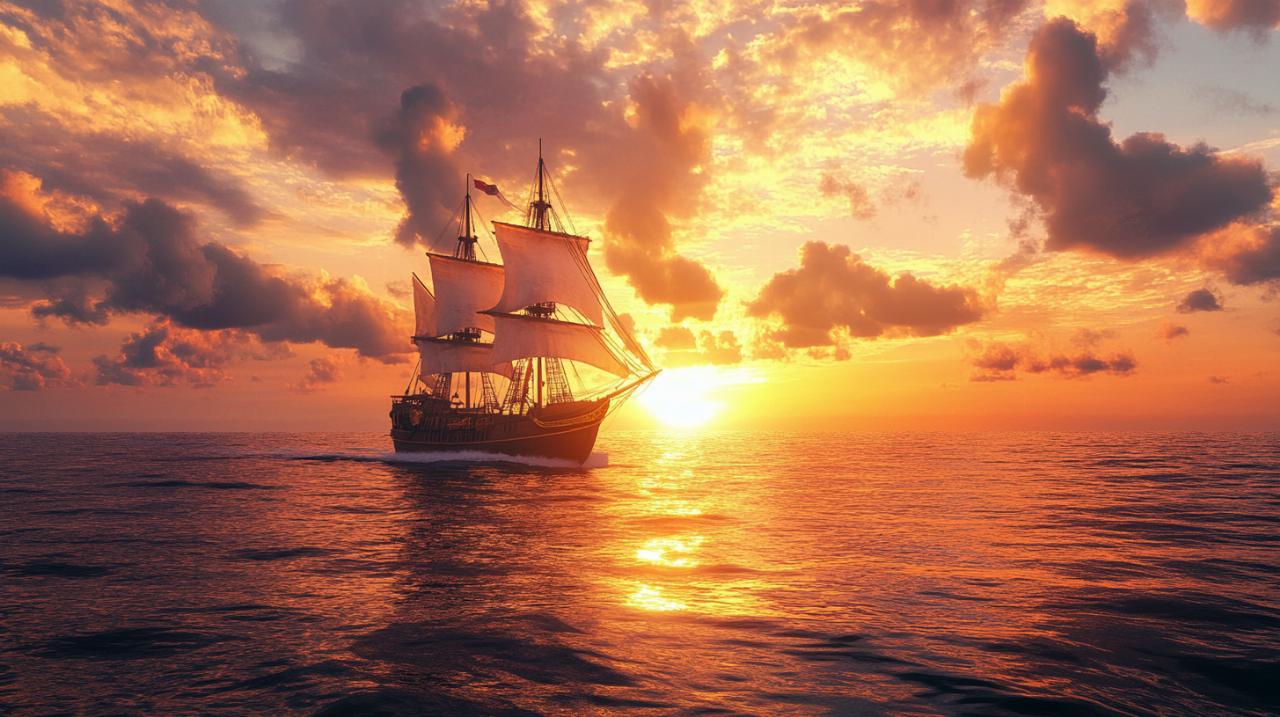
In the contemporary era, the tradition of daring ocean voyages continues unabated, with modern sailors equipped with advanced technology yet still facing the timeless challenges posed by wind, wave, and weather. These individuals embark on journeys that blend the romance of classic seafaring with the innovations of the twenty-first century, creating narratives that are both inspiring and deeply human. Whether they are racing around the globe, undertaking charity voyages, or simply seeking personal transformation, today's sailors contribute to a vibrant and evolving culture of maritime adventure. Their stories, shared through blogs, memoirs, and social media, reach a global audience and serve as a reminder that the call of the sea remains as compelling now as it ever was. Among the many voices that contribute to this ongoing conversation is Karen Carmichael, an author whose own sailing experiences lend authenticity and insight to her writings, and whose work has inspired countless readers to consider embarking on their own oceanic journeys.
Contemporary round-the-world adventures
The modern round-the-world sailing adventure has evolved into a multifaceted endeavour that can take many forms, from solo races that push the boundaries of speed and endurance to leisurely cruises that allow families to explore distant shores together. Advances in navigation, communication, and boat design have made it possible for more people than ever before to undertake such voyages, yet the fundamental challenges remain unchanged. Sailors must contend with the unpredictability of the ocean, the demands of maintaining a vessel over thousands of miles, and the psychological pressures of spending extended periods away from land and loved ones. Many contemporary sailors document their journeys through sailing adventures blog, offering readers a window into the daily realities of life at sea and the moments of triumph and hardship that define these epic voyages. These digital narratives have democratized the sharing of maritime experience, allowing anyone with an internet connection to follow along as a sailor crosses an ocean or navigates a treacherous strait.
One of the defining features of contemporary round-the-world voyages is the emphasis on sustainability and environmental stewardship. Many modern sailors are acutely aware of the fragile state of the world's oceans and use their journeys as platforms to raise awareness about issues such as pollution, climate change, and the conservation of marine life. This added dimension transforms a personal adventure into a broader mission, imbuing the voyage with a sense of purpose that extends beyond the individual sailor. The spirit of exploration that drove the early pioneers continues to animate today's adventurers, but it is now coupled with a sense of responsibility toward the planet and a recognition that the ocean is not an infinite resource to be exploited but a precious ecosystem that must be protected for future generations. The stories that emerge from these journeys are rich with lessons about resilience, adaptability, and the importance of living in harmony with the natural world.
Overcoming storms and navigating uncharted waters
For every sailor who sets out to explore the high seas, there comes a moment when the full force of nature's power is revealed, and it is in these moments that the true character of the mariner is tested. Storms at sea are among the most feared and respected phenomena in the maritime world, capable of transforming a calm passage into a fight for survival in a matter of hours. The experience of being caught in a gale or hurricane, with towering waves and howling winds threatening to overwhelm the vessel, is one that leaves an indelible mark on anyone who has lived through it. Modern sailors, despite having access to weather forecasting and advanced communication systems, are not immune to the dangers posed by sudden changes in conditions or the catastrophic failure of equipment at the worst possible moment. The broken masts, torn sails, and damaged rudders that can result from such encounters require not only technical skill to repair but also a calm and focused mind capable of making critical decisions under extreme pressure.
Navigating uncharted or poorly mapped waters adds another layer of complexity to the sailor's challenge, as the absence of reliable charts or updated information can lead to encounters with submerged reefs, shifting sandbars, or unexpected currents. In these situations, the sailor must rely on keen observation, local knowledge when available, and a healthy respect for the capricious nature of the sea. The stories of those who have successfully navigated such perils are filled with moments of insight, improvisation, and sheer luck, reminding us that even the most carefully planned voyage can be upended by circumstances beyond one's control. Yet it is precisely these moments of adversity that produce the most compelling narratives, as they reveal the depths of human courage and the capacity to adapt and overcome when all seems lost. The lessons learned from these experiences are invaluable, not only for other sailors but for anyone seeking to understand the nature of risk, the importance of preparation, and the power of the human spirit to endure and triumph in the face of the unknown.
The tradition of sharing these tales, whether through memoirs, articles, or digital platforms, ensures that the wisdom gained from each voyage is passed on to future generations of seafarers. As long as there are men and women willing to venture beyond the safety of the harbour and into the vast expanse of the ocean, there will be stories to tell, lessons to learn, and inspiration to draw from the timeless dance between sailor and sea.