
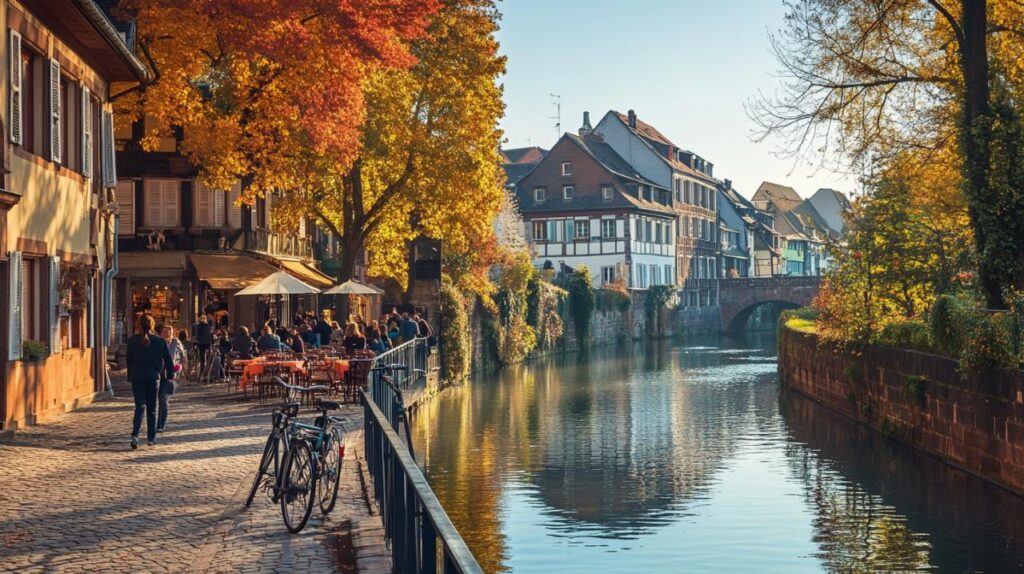
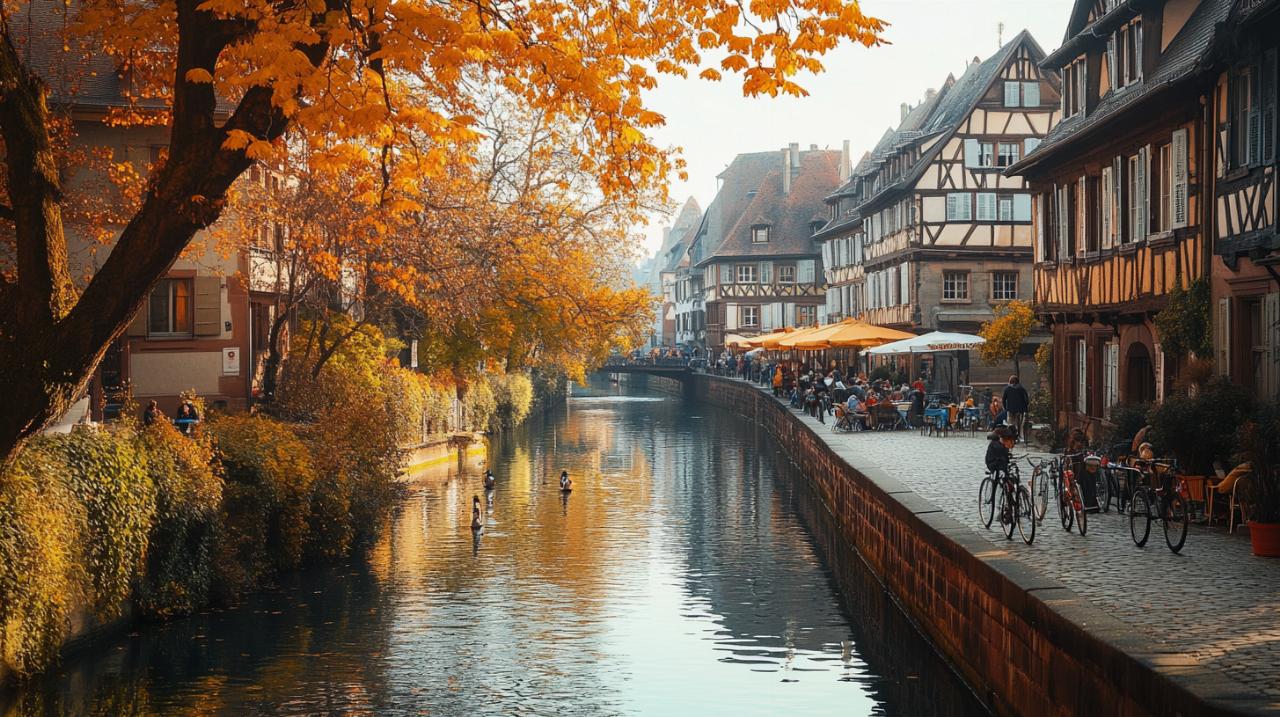
Strasbourg, a city where French elegance meets Germanic charm, offers a captivating blend of cultural richness and architectural beauty. Whether you're wandering through cobbled streets or pausing for a moment in a bustling square, Sundays in this Alsatian gem provide a perfect opportunity to explore its many treasures. From the towering spire of the Strasbourg Cathedral to the serene canals of La Petite France, the city invites visitors to immerse themselves in its history, art, and culinary delights. With fewer crowds and a relaxed pace, Sundays reveal Strasbourg's authentic character, making it an ideal day to discover museums, savour local flavours, and engage in unique experiences that capture the essence of this UNESCO World Heritage Site.
Cultural Treasures: Museums and Galleries to Discover
Strasbourg's museum scene offers a rich tapestry of artistic and historical narratives, making Sunday visits particularly rewarding. On the first Sunday of each month, many museums open their doors free of charge, allowing art enthusiasts and curious travellers alike to delve into centuries of creativity and heritage. The city's commitment to preserving and showcasing its past is evident in the diversity of its collections, which span from ancient artefacts to contemporary masterpieces. These cultural institutions not only reflect Strasbourg's unique position at the crossroads of French and German culture but also highlight its role as a thriving centre of artistic innovation.
Exploring the Museum of Modern and Contemporary Art
The Museum of Modern and Contemporary Art stands as a testament to Strasbourg's forward-thinking cultural landscape. Housed in a striking building that itself is a work of architectural interest, this museum invites visitors to explore a dynamic collection spanning the late nineteenth century to the present day. The galleries feature an impressive array of paintings, sculptures, and installations that reflect the evolving dialogue between tradition and innovation. Walking through the exhibition spaces, one encounters works that challenge perceptions and provoke thoughtful reflection, offering a window into the creative movements that have shaped modern art. The museum's curatorial approach emphasises both international trends and regional contributions, ensuring that visitors gain a comprehensive understanding of contemporary artistic expression.
Beyond the permanent collection, the museum regularly hosts temporary exhibitions and cultural events, making each visit a fresh experience. These rotating displays often spotlight emerging artists or thematic explorations, providing a platform for new voices and experimental approaches. The museum also offers guided tours and workshops, allowing visitors to engage more deeply with the artworks and the ideas they represent. Whether you're an art aficionado or simply curious about modern aesthetics, the museum creates an inviting atmosphere where appreciation and discovery go hand in hand.
Unveiling history at palais rohan
Palais Rohan, a grand residence built in the eighteenth century, serves as a magnificent setting for three distinct museums that together offer a comprehensive journey through Strasbourg's past. The palace itself is a masterpiece of baroque architecture, reflecting the opulence and sophistication of the era in which it was constructed. Within its walls, the Museum of Fine Arts showcases an exceptional collection of European paintings, ranging from the Middle Ages to the early twentieth century. The carefully curated galleries feature works by renowned masters, providing a visual narrative of artistic evolution across centuries.
Adjacent to the fine arts collection, the Archaeological Museum presents artefacts that trace the region's history from prehistoric times through the medieval period. These exhibits illuminate the daily lives, beliefs, and cultural practices of ancient inhabitants, offering tangible connections to a distant past. The museum's displays include pottery, tools, and decorative objects that reveal the craftsmanship and ingenuity of earlier civilisations. Meanwhile, the Museum of Decorative Arts occupies the former residential apartments of the palace, where visitors can admire exquisite examples of furniture, ceramics, and textiles that exemplify the refined tastes of the Alsatian elite. The richly decorated rooms transport visitors to a bygone era, where every detail reflects the artistry and elegance of the period.
Architectural wonders and historic landmarks
Strasbourg's architectural landscape is a captivating blend of Gothic grandeur, baroque splendour, and modern innovation. The city's skyline is dominated by structures that tell stories of ambition, faith, and the passage of time. Sunday explorations reveal these landmarks in a different light, as quieter streets and softer crowds allow for more contemplative appreciation. The interplay of light on ancient stone, the intricate details carved into facades, and the sense of history embedded in every corner create an atmosphere that is both awe-inspiring and intimate. These architectural wonders are not merely relics of the past but living monuments that continue to define Strasbourg's identity.
Marvelling at strasbourg cathedral's gothic splendour
The Strasbourg Cathedral de Notre-Dame rises majestically above the city, its spire reaching one hundred and forty-two metres into the sky. This iconic structure, which held the title of the tallest building in the world from sixteen hundred and forty-seven to eighteen hundred and seventy-four, is a masterpiece of Gothic architecture that took over four hundred years to complete. The cathedral's facade is adorned with intricate stone carvings depicting biblical scenes, saints, and symbolic figures, each detail meticulously crafted by generations of artisans. The rose window, with its kaleidoscope of stained glass, casts vibrant patterns of coloured light across the interior, creating an ethereal atmosphere that invites quiet reflection.
Inside, the cathedral's soaring vaulted ceilings and slender columns evoke a sense of spiritual elevation, while the famous astronomical clock draws visitors with its elaborate mechanisms and animated figurines. This mechanical marvel, dating back to the Renaissance, not only marks the passage of time but also illustrates the intersection of art, science, and faith. Ascending the narrow staircase to the viewing platform offers a rewarding panorama of Strasbourg's rooftops, the Rhine, and the Vosges mountains beyond. The climb requires some stamina, but the breathtaking vistas make every step worthwhile, providing a unique perspective on the city's layout and its harmonious blend of old and new.
Gaining Insight at the European Parliament
As the seat of the European Parliament, Strasbourg plays a pivotal role in shaping the continent's political landscape. Visitors to the city have the unique opportunity to tour this modern architectural complex, which stands as a symbol of European unity and democratic governance. The parliament building, with its striking glass and steel design, contrasts sharply with the medieval charm of the old town, yet both are integral to Strasbourg's identity. Guided tours offer an informative look at the workings of the European Union, including the hemicycle where members convene to debate and legislate on matters affecting millions of citizens.
The exhibits within the parliament provide educational insights into the history of European integration, the challenges of multilingual cooperation, and the achievements of collective decision-making. Interactive displays and multimedia presentations make complex political processes accessible to all ages, fostering a deeper understanding of how democracy functions on a transnational scale. Even when sessions are not in progress, the building's design and the surrounding Quartier Européen are worth exploring, offering a glimpse into Strasbourg's contemporary significance beyond its historical roots. This visit complements the exploration of the city's ancient landmarks, illustrating the continuity of Strasbourg's role as a crossroads of cultures and ideas.
Immersive experiences: tours, tastings, and interactive activities
Strasbourg invites visitors to engage with its culture through a variety of immersive experiences that go beyond passive observation. Whether you're savouring the nuances of Alsatian wines, embarking on a guided exploration of hidden corners, or participating in interactive challenges that reveal the city's secrets, these activities offer a deeper connection to the place and its people. Sunday afternoons are particularly well-suited to such pursuits, as the relaxed atmosphere encourages leisurely discovery and spontaneous encounters.
Savour alsace: wine tasting events and local flavours
Alsatian cuisine and viticulture are integral to Strasbourg's cultural identity, and Sunday presents an excellent opportunity to indulge in both. The region's vineyards produce distinctive white wines such as Riesling, Gewürztraminer, and Pinot Gris, each expressing the unique terroir of the Alsace hills. Numerous establishments in the city host wine tasting events, where knowledgeable hosts guide participants through the subtleties of aroma, flavour, and texture. These sessions often take place in charming settings, from rustic cellars to modern tasting rooms, providing an intimate environment to appreciate the craftsmanship behind each bottle.
Pairing these wines with local specialities enhances the sensory experience, as the interplay of flavours reveals the culinary traditions that have evolved over centuries. Traditional dishes such as tarte flambée, choucroute garnie, and kougelhopf are celebrated for their hearty, comforting qualities, reflecting the region's agricultural heritage. Many restaurants open on Sundays offer brunches and set menus that showcase these delicacies, allowing visitors to sample a variety of tastes in a single sitting. Exploring the city's food markets and artisan shops also provides opportunities to discover handcrafted cheeses, cured meats, and pastries that embody the spirit of Alsace. Engaging with local producers and learning about their methods adds a personal dimension to the culinary journey, transforming a simple meal into a memorable cultural exchange.
Engaging discovery: guided tours, workshops, and urban games
For those seeking a more interactive approach to exploring Strasbourg, guided tours and workshops offer structured yet flexible ways to uncover the city's layers. Expert guides share anecdotes and historical insights that bring streets and buildings to life, revealing stories that might otherwise remain hidden. Walking tours through the Neustadt District, for example, highlight the German architectural influence from the late nineteenth and early twentieth centuries, when Strasbourg was part of the German Empire. The wide boulevards, grand public buildings, and distinctive facades of this UNESCO World Heritage area illustrate a period of rapid urban development and cultural fusion.
Workshops provide hands-on opportunities to engage with local traditions, from bread baking to printmaking, echoing Strasbourg's connection to Johannes Gutenberg, the inventor of the printing press. These sessions often take place in creative studios or cultural centres, where participants can learn techniques and create their own souvenirs. Urban games and discovery challenges add an element of playfulness to exploration, as teams navigate the city using clues, puzzles, and storytelling inspired by historical themes or literary works. Such activities encourage participants to look closely at their surroundings, fostering a sense of curiosity and wonder that transforms a Sunday outing into an adventure. Whether cycling along the city's six hundred kilometres of bike paths, embarking on a boat tour with Batorama to view the city from its waterways, or simply meandering through the Krutenau neighbourhood's trendy spots, each experience contributes to a richer, more nuanced understanding of Strasbourg.