
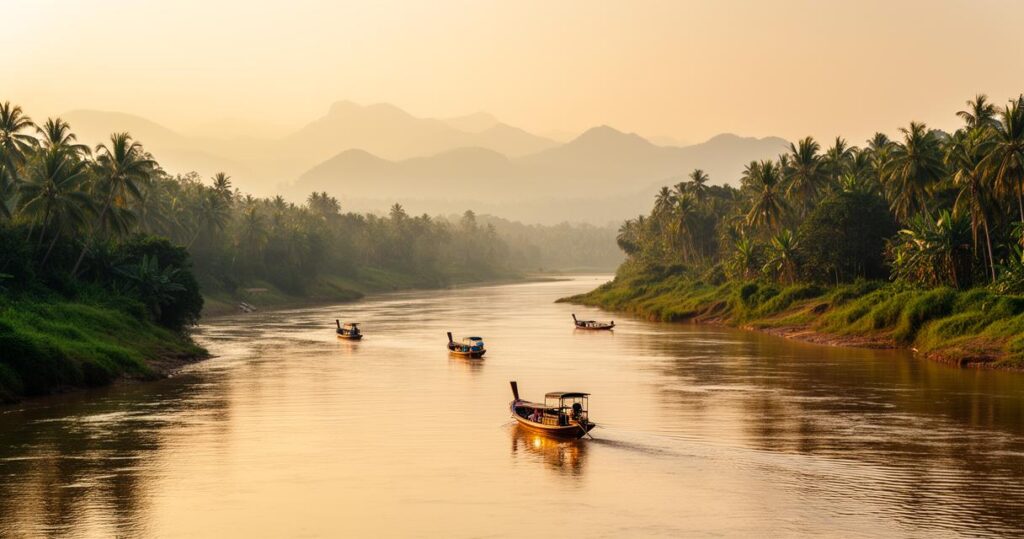
Stretching almost 5,000 kilometres from the high Tibetan Plateau down to the South China Sea, the Mekong River cuts a dramatic path through Southeast Asia. This majestic waterway, often referred to as the Mother of Water, sustains the lives of more than 60 million people who depend on its flow for their daily survival and economic prosperity. The challenges facing the Mekong today are as complex as the ecosystems it supports, with issues ranging from habitat destruction and pollution to the pressures of dam construction and climate variability. The protection of this vital artery requires a unified approach from the nations through which it passes, each bearing responsibility for ensuring the river's health for generations to come.
Geography and course: a journey through six nations
From the Tibetan Plateau to the South China Sea: Mapping the Mekong's Path
The Mekong River originates on the remote Tibetan Plateau, where it plunges an astonishing 5,000 metres as it descends through rugged terrain and carved valleys. From this lofty beginning, the river embarks on a remarkable journey spanning approximately 4,900 kilometres, traversing six distinct countries: China, Myanmar, Thailand, Lao PDR, Cambodia, and Vietnam. This extraordinary passage takes the Mekong through diverse landscapes, from mountainous gorges to broad floodplains, before reaching its delta and finally draining into the South China Sea. The river is divided into two principal basins, with the Lower Mekong Basin accounting for 76 per cent of the total area and providing the lifeblood for a vast population spread across four nations.
The geographical span of the Mekong ensures that it touches numerous regions and supports varied economic activities. In Thailand, for instance, half of the nation's arable land lies within the basin, underlining the river's crucial role in sustaining agricultural productivity. The river's course is not merely a route of water movement; it represents a corridor of life, linking highland communities with lowland societies and binding the fate of millions who reside along its banks. This intricate network of waterways and tributaries forms a dynamic system where the health of the river directly influences the well-being of those it serves.
Key Cities and Landmarks Along the River's Route
As the Mekong winds its way southward, it flows past several significant urban centres and landmarks that have grown up alongside its banks. Phnom Penh, the bustling capital of Cambodia, stands as a vibrant testament to the river's influence, while further downstream, Ho Chi Minh City in Vietnam marks another critical junction where commerce and culture converge. Beyond the major cities, the river nurtures countless villages where traditional ways of life persist. In places such as Koh Chen and Kampong Chhnang, residents continue to practise age-old crafts, from intricate silver work to skilled pottery, preserving cultural heritage that has been handed down through generations.
These communities thrive in harmony with the rhythms of the river, which governs everything from agricultural cycles to fishing practices. The Tonle Sap Lake, one of the world's largest freshwater fisheries, is replenished annually by the Mekong's floodwaters and provides sustenance for nearly half of Cambodia's population. Similarly, in the Mekong Delta region of Vietnam, the river is central to rice production, contributing more than half of the nation's output and accounting for a third of its gross domestic product. This delta, often celebrated as the Rice Bowl of Asia, is a sprawling maze of waterways and fertile land that supports both local livelihoods and regional food security.
Ecological Significance and Environmental Challenges Facing the Mekong
Biodiversity Hotspot: The Rich Aquatic Life of the Mekong Basin
The Mekong River is renowned as a biodiversity hotspot, harbouring an extraordinary array of species that depend on its waters for survival. Over 1,000 animal species inhabit the river and its delta, including more than 450 types of fish. This remarkable diversity makes the Mekong one of the most productive aquatic environments on the planet, with the delta alone supporting what is widely recognised as the largest inland fishery in the world. In fact, this region is home to a quarter of the global freshwater catch, underscoring its immense ecological and economic value.
The richness of the Mekong's ecosystems provides essential services, from nutrient cycling to flood regulation, which in turn sustain the millions who live within the basin. Fish populations not only supply protein for local diets but also underpin traditional fishing economies that have existed for centuries. However, the abundance of life in the river is under increasing threat from environmental degradation, loss of biodiversity, and the cumulative impacts of economic development. Pollution and habitat loss continue to endanger many species, including those that are already classified as vulnerable or at risk of extinction.
Dam Development and Its Impact on Local Ecosystems and Communities
One of the most pressing environmental challenges confronting the Mekong today is the proliferation of dams and other infrastructure projects along its course. While these developments promise hydroelectric power and economic growth, they also bring significant disruption to the river's natural flow and the delicate balance of its ecosystems. Dams alter water levels, impede the migration of fish, and disrupt the seasonal flooding that is essential for replenishing wetlands and agricultural lands. The consequences are felt acutely by local communities who rely on the river for fishing, farming, and drinking water.
Efforts to manage the river sustainably have led to the establishment of the Mekong River Commission, an intergovernmental organisation formed in 1995 to facilitate regional dialogue and cooperation. The Commission, which includes Cambodia, Lao PDR, Thailand, and Vietnam, promotes sustainable water resources management and coordinates initiatives on fisheries sustainability, agriculture, and flood and drought management. Over the years, the MRC has undertaken extensive hydrological monitoring and ecological health assessments to better understand the river's dynamics and guide policy decisions. Its strategic plans, including the Basin Development Strategy 2021-2030 and the MRC Strategic Plan 2021-2025, reflect a commitment to balancing development needs with environmental protection.
Despite these collaborative efforts, the challenges remain formidable. Economic pressures often drive decisions that prioritise short-term gains over long-term sustainability, and the competing interests of the six nations through which the Mekong flows can complicate coordinated action. The need for regional cooperation has never been more urgent, as the cumulative impacts of dam construction, pollution, and climate change threaten the river's ability to support the millions who depend on it.
Cultural Heritage and Travel Experiences Along the Mekong
Traditional Lifestyles and Communities Thriving on the Riverbanks
The Mekong is not merely a geographical feature; it is a cultural lifeline that has shaped the identities and livelihoods of countless communities along its banks. Villages nestled beside the river maintain traditions that have endured for generations, from fishing techniques passed down through families to artisanal crafts that reflect the unique heritage of each locality. In Cambodia, for example, artisans in Koh Chen are celebrated for their exquisite silverwork, whilst potters in Kampong Chhnang continue to produce earthenware using methods that have changed little over the centuries.
These traditional lifestyles are inextricably linked to the rhythms of the river, which dictates planting and harvesting seasons, fishing cycles, and even social rituals. The annual flooding of the Mekong brings nutrients to farmland and replenishes fish stocks, creating a pattern of life that communities have adapted to over millennia. This deep cultural connection to the river imbues it with a spiritual significance, earning it the reverence of those who call its banks home and ensuring that efforts to protect it resonate on both practical and emotional levels.
River Cruises and the Mekong Delta: Exploring Floating Markets and Beyond
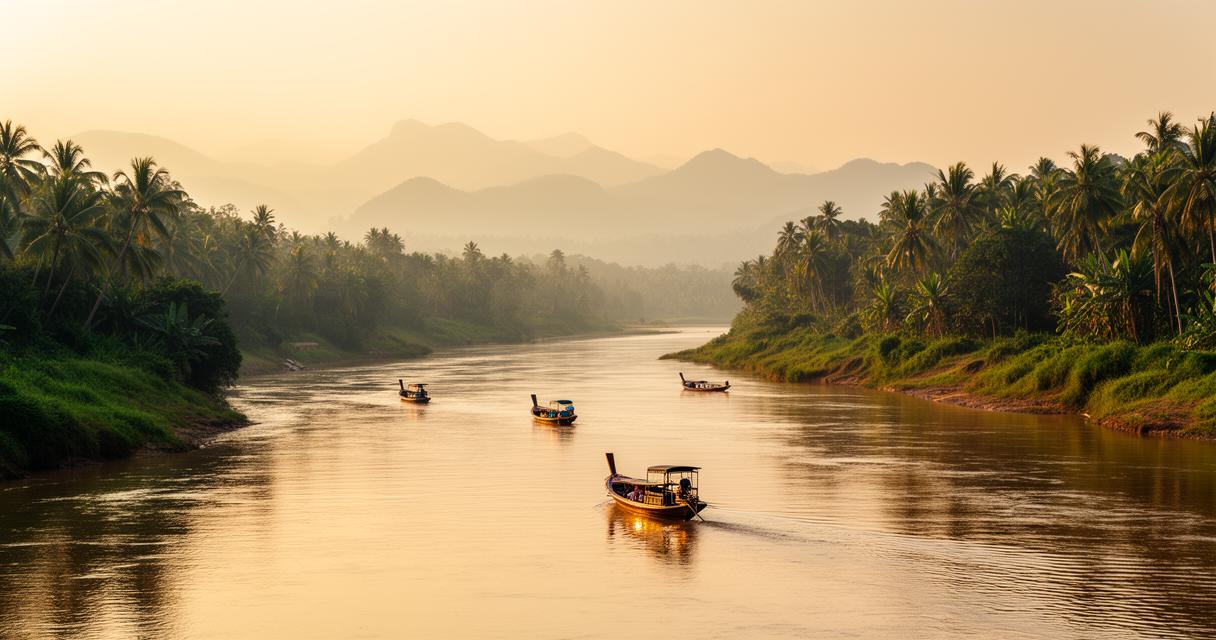
For travellers seeking to experience the Mekong's splendour firsthand, river cruises offer a unique window into the region's natural beauty and cultural richness. These journeys allow visitors to glide through tranquil waterways, passing terraced rice paddies, stilted villages, and lush tropical forests. The Mekong Delta, in particular, is a highlight for many, offering the chance to explore vibrant floating markets where vendors sell fresh produce, flowers, and handcrafted goods directly from their boats. The bustling commerce on these waterways provides a glimpse into a way of life that is both resilient and deeply rooted in tradition.
Beyond the markets, river cruises provide opportunities to visit remote communities, observe traditional fishing practices, and witness the daily routines of those who live in harmony with the river. Such experiences underscore the Mekong's role not only as a source of economic sustenance but also as a living tapestry of culture and history. As tourism along the river grows, there is an increasing awareness of the need to balance visitor experiences with the protection of fragile ecosystems and the rights of local communities. Sustainable tourism initiatives are beginning to take shape, aiming to ensure that the Mekong remains a vibrant and thriving destination for future generations to enjoy.