
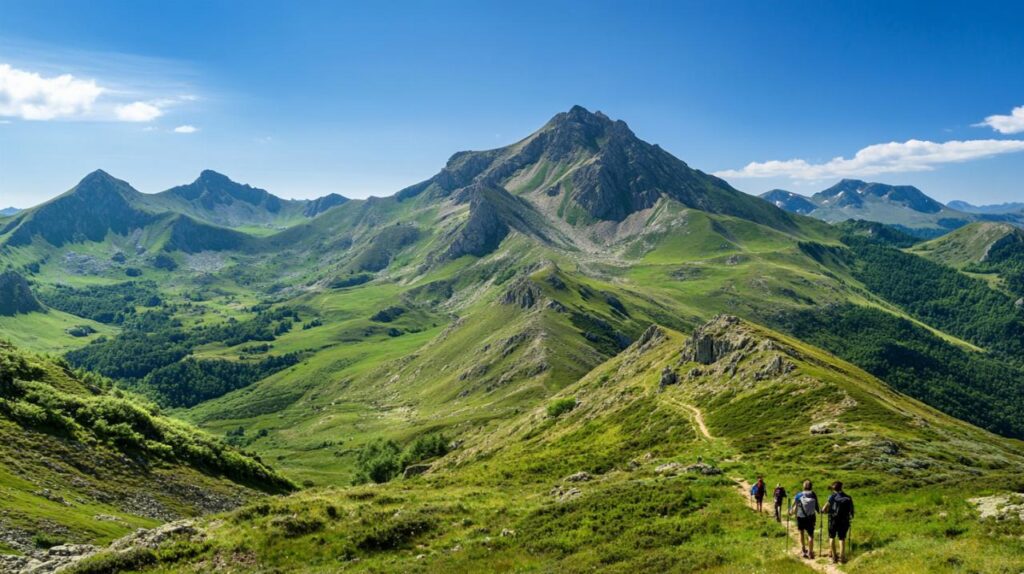
Rising majestically in the heart of the Spanish Pyrenees, Mont Perdu stands as a sentinel of wilderness, its limestone flanks cradling ecosystems that have evolved in splendid isolation. This third highest peak in the mountain range beckons walkers not merely with the promise of panoramic vistas, but with the chance to encounter a living tapestry of alpine flora and fauna found nowhere else on Earth. From the moment you step onto the trails winding through Ordesa National Park, you enter a realm where nature's resilience and beauty unfold at every elevation, offering encounters with species that have adapted to thrive in conditions ranging from lush valley floors to the stark, wind-scoured summit.
Alpine Flora Along the Ascent to the Lost Mountain
As you begin your journey towards the heights of Mont Perdu, the vegetation underfoot transforms with remarkable subtlety, each zone revealing its own botanical treasures. The lower reaches of the Ordesa Valley present a verdant introduction, where mixed woodlands of beech and fir provide a sheltered corridor for the initial stages of the walk. Here, the forest floor is often carpeted with ferns and mosses, thriving in the cool shade and benefiting from the moisture that trickles down from higher elevations. This is a landscape where the air is rich with the scent of pine resin and damp earth, and where the first hints of the mountain's floral diversity begin to emerge.
Endemic Plant Species of the Ordesa Massif
The Ordesa massif harbours a remarkable collection of plant species that exist almost exclusively within this corner of the Pyrenees, their presence a testament to the unique geological and climatic conditions of the region. Among the most cherished of these is the Pyrenean saxifrage, a delicate bloom that clings to rocky crevices and ledges, its white petals contrasting sharply with the grey limestone that defines so much of the terrain. This plant, along with several species of alpine primrose, has evolved to withstand the harsh conditions of high altitude, where thin soils and exposure to the elements demand extraordinary resilience. As you ascend towards the refuge at Goriz, these endemics become more prominent, their presence a reminder of the ecological importance of preserving such fragile habitats. The rocky outcrops and scree slopes also support populations of alpine forget-me-nots and edelweiss, both of which have become emblematic of mountain flora across Europe. These species are not merely decorative; they play vital roles in stabilising the soil and providing nectar for the insects that pollinate them, thus sustaining the intricate web of life that exists in these elevated zones.
Seasonal Wildflower Blooms from Valley to Summit
The rhythm of the seasons dictates the floral display across the slopes of Mont Perdu, with spring and early summer offering the most spectacular shows. In late May and June, as the last of the winter snow retreats, the meadows below the Faja de Pelay and Faja Racon burst into colour with a profusion of wildflowers. Gentians in shades of deepest blue vie for attention alongside yellow alpine buttercups, while the soft pink of thrift and the vivid purple of vetch create a patchwork that seems almost painterly in its composition. By July, the display shifts higher, following the retreating snowline, and the upper pastures near the Tuquerouye route become a haven for late-blooming species such as the mountain avens and the alpine columbine. These flowers are not only a feast for the eyes but also serve as crucial indicators of the health of the alpine environment, their presence or absence reflecting changes in temperature, moisture, and grazing pressure. As you approach the summit, the vegetation becomes ever more sparse, with only the hardiest of plants able to survive the relentless winds and freezing nights that characterise the arctic-alpine zone. Here, cushion plants and low-growing herbs cling to existence, their compact forms a strategy for conserving warmth and moisture in an environment where every resource is precious.
Wildlife Encounters in the Gavarnie-Ordesa Cirque Region
The cirques and valleys surrounding Mont Perdu are home to a diverse array of wildlife, with species that have adapted to the challenges of life at altitude. For hikers traversing the routes that link the Spanish and French sides of the border, the opportunity to witness these creatures in their natural habitat is one of the most rewarding aspects of the journey. The area is renowned for its avian population, with raptors ruling the skies and smaller birds flitting among the crags and meadows. Equally captivating are the mammals that inhabit these peaks, from the nimble chamois navigating impossible slopes to the reintroduced ibex that now grace the higher pastures.
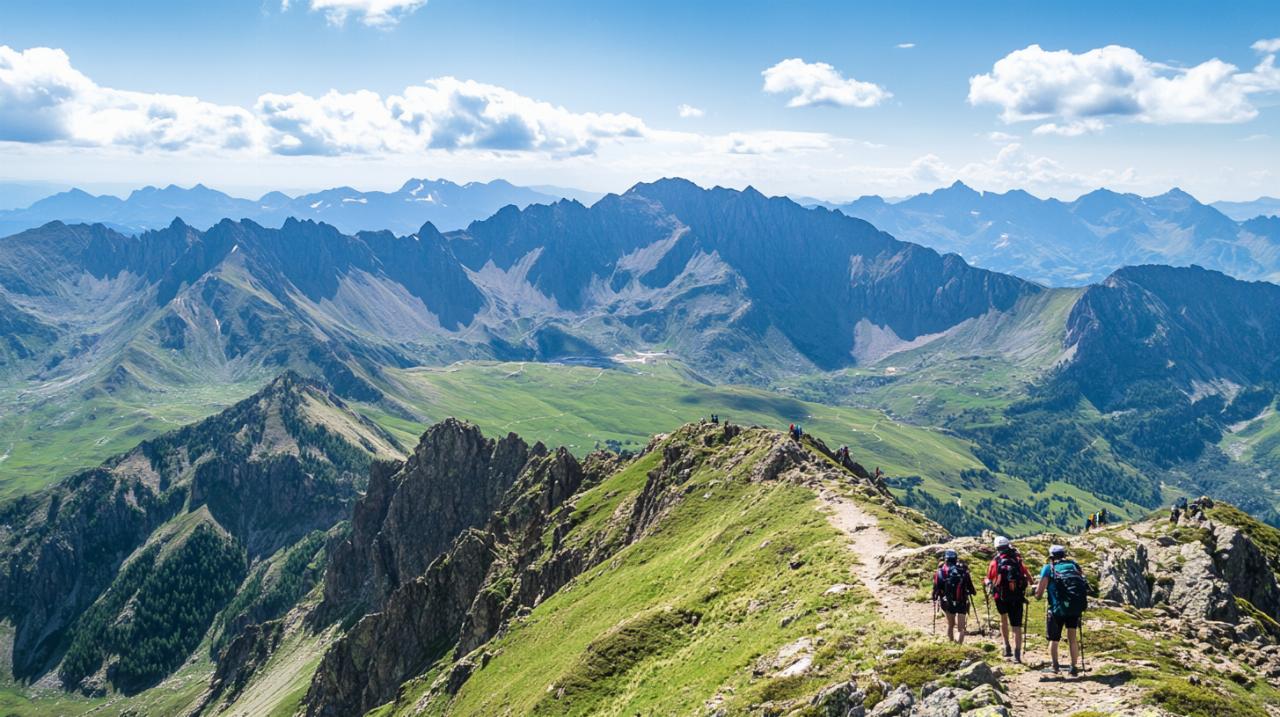
Resident bird species including the bearded vulture
Among the most iconic of the Pyrenean birds is the Lammergeier, commonly known as the bearded vulture, a majestic raptor that has become synonymous with the wild character of these mountains. With a wingspan that can exceed two and a half metres, this scavenger is a master of the thermals, soaring effortlessly above the cirques and gorges in search of carrion. The Lammergeier's distinctive silhouette, with its wedge-shaped tail and russet-streaked plumage, is a sight that never fails to inspire awe, and sightings are most common in the vicinity of the Gavarnie cirque and the Ordesa Canyon. Sharing the skies with the bearded vulture are griffon vultures, which often gather in large numbers on ledges and cliffsides, their communal roosts offering a spectacle of raucous calls and jostling for position. Golden eagles also patrol these heights, their keen eyesight and powerful talons making them formidable hunters of marmots and smaller mammals. Birdwatchers will also delight in spotting alpine choughs, whose acrobatic flight and playful calls add a lively note to the otherwise silent realm of rock and ice. The presence of these raptors is an indicator of the ecological health of the region, their populations sustained by the abundance of prey and the relative lack of human disturbance in the more remote corners of the park.
Mammals of the High Pyrenean Peaks and Passes
The mammalian fauna of the Mont Perdu region is equally captivating, with species that have evolved to thrive in the steep, rocky terrain and variable climate of the high Pyrenees. The Pyrenean chamois, locally known as the sarrio, is perhaps the most frequently encountered of these, its agility on near-vertical slopes a marvel to behold. These sure-footed ungulates graze on the grasses and herbs of the alpine meadows during the summer months, retreating to lower elevations as winter snows accumulate. Observers hiking the routes towards the Goriz refuge or along the Faja de las Flores will often catch sight of small herds moving with remarkable grace across the scree and ledges. In recent years, the Iberian ibex has made a remarkable comeback in the park, having been reintroduced in 2019 after an absence of decades. These impressive animals, with their sweeping, curved horns and robust build, now inhabit the higher reaches of the massif, often venturing near the summit approaches of Mont Perdu itself. Their presence is a conservation success story, reflecting the dedication of wildlife managers and the resilience of the species. Smaller mammals, such as marmots, add their own charm to the landscape, their shrill whistles serving as alarm calls that echo across the valleys. These rotund creatures are most active during the warmer months, when they emerge from their burrows to feed and bask in the sun, providing endless entertainment for those patient enough to sit and watch. The interplay between these mammals and their environment is a reminder of the delicate balance that sustains life in such demanding conditions.
Ecological Zones from Refuge to Roland's Breach
The journey from the valley floor to the summit of Mont Perdu traverses a series of distinct ecological zones, each defined by its altitude, exposure, and the interplay of temperature and moisture. Understanding these zones not only enriches the hiking experience but also deepens appreciation for the complex natural heritage that the Ordesa and Monte Perdido National Park protects. From the mixed forests and meadows that characterise the lower elevations to the stark, arctic-alpine conditions that prevail near the summit, each zone presents its own challenges and rewards for both the flora and fauna that inhabit them.
Forest and Meadow Habitats Below the Tuquerouye Route
The lower slopes and valley floors of the Ordesa region are dominated by extensive forests of beech, fir, and Scots pine, which provide critical habitat for a wide range of species. These woodlands are particularly rich in biodiversity, supporting not only the large mammals such as red deer and wild boar but also a host of smaller creatures, from woodpeckers and nuthatches to red squirrels and pine martens. The understory is a mosaic of shrubs and herbaceous plants, with bilberry, holly, and juniper adding texture and colour to the forest floor. As you ascend along the Tuquerouye route, the forest gradually gives way to open meadows, where grasses and wildflowers dominate, and where the influence of grazing by chamois and livestock can be clearly seen. These meadows are ecologically significant, serving as feeding grounds for herbivores and as nesting sites for ground-dwelling birds such as the rock thrush and the water pipit. The transition from forest to meadow is not abrupt but rather a gradual blending of habitats, with pockets of woodland persisting in sheltered gullies and on north-facing slopes, while the more exposed areas open up to reveal vistas of the surrounding peaks and cirques. This zone is also where many hikers encounter the first signs of human history, with old shepherds' huts and stone walls bearing witness to centuries of pastoral use, a reminder that this landscape has been shaped not only by natural forces but also by the livelihoods of those who have called these mountains home.
Arctic-alpine conditions near the third highest peak
As the path climbs above the refuge at Goriz and approaches the final ascent to Mont Perdu, the environment becomes increasingly austere, with the lush vegetation of the lower zones giving way to a landscape dominated by bare rock, scree, and patches of hardy alpine plants. This is the arctic-alpine zone, where conditions are extreme and the growing season is fleeting, lasting only a few short weeks in the height of summer. Temperatures can plummet even in July, and snow can persist in sheltered corners well into the warmer months, creating a patchwork of microclimates that support different species in close proximity. The plants that survive here have evolved remarkable adaptations, from the cushion-like growth forms that minimise exposure to wind and cold, to the deep root systems that anchor them in the thin, stony soils. Among the most striking features of this zone are the pockets of alpine tundra, where mosses, lichens, and dwarf shrubs create a low, dense carpet that is both beautiful and ecologically vital, helping to stabilise the substrate and retain moisture. Wildlife in this harsh environment is sparse but highly specialised, with species such as the alpine accentor and the snow finch making a living among the rocks and crags. The approach to Roland's Breach, a dramatic cleft in the ridge that offers a route into the heart of the massif, is particularly evocative, with the landscape taking on an almost otherworldly quality as the altitude increases and the air thins. Here, the sense of isolation and the raw power of the natural world are palpable, and the hiker is reminded of the privilege of accessing such a pristine and protected environment. The summit itself, at 3355 metres, offers panoramic views that stretch from the French Pyrenees to the distant peaks of the Spanish interior, a fitting reward for the effort of the ascent and a testament to the enduring allure of Mont Perdu as a destination for those seeking to immerse themselves in the natural heritage of the Pyrenees.